Post-Hurricane Pest Checklist for Jacksonville and St. Augustine Homes
The same coastal, riverfront, and lakefront views that make Jacksonville and St. Augustine iconic can also put local properties at greater risk during Florida’s notorious hurricane season.
Broken tree limbs, flooding, wind-driven rain, and damage to roofs or screens do more than harm your property in the short term. These events can displace pests that normally stay in your lawn, landscaping, leaf litter, or nearby wooded areas. Cockroaches, ants, spiders, and other pests then begin searching for higher, drier shelter. Too often, that shelter is inside your home, garage, crawl space, walls, or landscaping close to the foundation.
Don’t let that nightmare become your reality. Our pest control experts at Champion Termite & Pest Control have compiled a practical post-hurricane checklist to help Northeast Florida homeowners keep pests outside after a tropical storm or hurricane.
Why Are Bugs Coming Inside After a Hurricane?
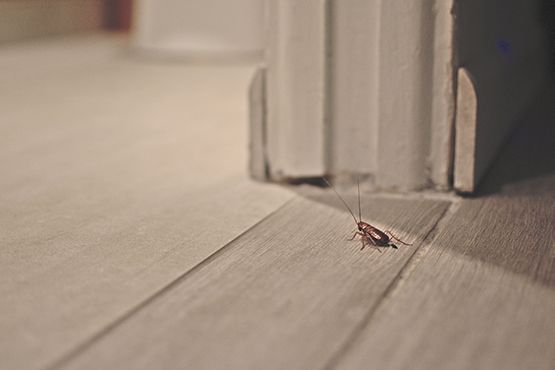
Bugs often come inside after a hurricane because heavy rain floods their nests and hiding places. Storm damage can also create new openings around doors, windows, roofs, vents, and utility lines. Once inside, pests may find the shelter, food, and moisture they need to stay.
Around Jacksonville and St. Augustine, pest activity often continues after the rain stops. Low-lying neighborhoods, retention ponds, marshes, rivers, creeks, and poorly draining yards can remain wet for days. Damaged screens, loose weatherstripping, open soffits, and gaps around utility lines may then give displaced pests a direct route indoors.
Your Post-Hurricane Pest Checklist
Wait until local officials say it is safe to return to your property. Once immediate hazards have been addressed, use this checklist to find and correct the conditions that could lead to a pest infestation before it occurs.
Dry Wet Areas as Soon as Possible
Lingering moisture does more than damage building materials. It can make your home more attractive to cockroaches, ants, and other pests that depend on damp conditions. Water-damaged wood may also increase the risk of subterranean termite activity.
Remove standing water and begin drying wet materials as soon as conditions allow. Use fans or dehumidifiers only when electricity can be used safely.
Pay close attention to crawl spaces, garages, enclosed porches, cabinets under sinks, baseboards, and rooms where flooring or drywall became wet. A surface may feel dry while the material behind it is still holding enough moisture to support pest activity.
Professional water-remediation or repair services may be necessary if flooding reached walls, flooring, insulation, or structural wood. Drying these areas promptly can help prevent long-term damage while making your home less inviting to moisture-loving pests.
Check for New Pest Entry Points
Even a small storm-created opening can give cockroaches, ants, spiders, and other pests an easy route into your home. Once inside, they may hide behind walls, beneath appliances, or in other areas that are difficult to inspect and treat.
Hurricane winds and flying debris can damage the barriers that normally keep these pests outside. Inspect accessible areas for:
- Torn window or door screens
- Gaps under exterior doors
- Damaged garage-door seals
- Cracked or uncovered vents
- Loose soffits
- Openings around plumbing or utility lines
- Broken windows or damaged exterior doors
Temporarily cover broken windows, torn screens, and other obvious openings if you can do so safely. Then arrange permanent repairs as soon as possible.
Remove Wet Debris from Around the House
Wet cardboard, damp lumber, fallen branches, leaf piles, and saturated mulch can provide shelter for cockroaches, ants, spiders, and termites.
Bag smaller debris when practical and follow local storm-debris collection rules for larger items. Keep firewood, salvageable lumber, and other wood materials elevated, dry, and away from the foundation of your home.
Inspect tarps, boxes, outdoor furniture, cleanup tools, boots, and gloves before bringing them indoors. Pests can easily hide inside folds, containers, and damp materials.
Clean Up Spoiled Food and Trash
Power outages can turn refrigerators, freezers, trash cans, and recycling bins into feeding sites for flies, ants, and cockroaches.
Follow food-safety guidance when deciding what to discard. Place spoiled food in securely closed bags and store it in a trash container with a tight-fitting lid until collection resumes. Clean up spills and crumbs, and avoid leaving pet food out overnight.
Empty Containers Holding Rainwater
Dump water from flowerpot saucers, toys, buckets, tarps, birdbaths, wheelbarrows, and other containers once it is safe.
Check gutters, downspouts, and drain inlets again after the storm. Leaves and windblown debris may have created new clogs, even if the drainage system was clear beforehand.
What Pests Should You Watch for After a Hurricane?
Cockroaches
Cockroaches may move indoors when heavy rain floods their outdoor hiding places, including landscape debris, drains, and sewer systems. After a hurricane, they are commonly found in kitchens, bathrooms, garages, utility rooms, and around floor drains.
If you notice live cockroaches, droppings, egg cases, or other signs of pest activity, contact one of our pest control experts right away. Cockroaches hide and reproduce in cracks, wall voids, and other hard-to-reach spaces, so the ones you see may represent only a small part of the infestation.
While waiting for service, remove food residue, dry damp materials, repair accessible leaks, and keep trash securely covered. Avoid relying on foggers or over-the-counter pesticide applications, which may not reach the areas where cockroaches are hiding or properly address the source of the problem.
Ants
Saturated soil and floodwater can disturb ant colonies, forcing them toward higher ground or into nearby homes. After a hurricane, you may notice ant trails along baseboards, windows, plumbing lines, driveways, and foundation edges.
If ant trails repeatedly appear, you find an indoor nest, or ants are entering through cracks around your home, contact one of our pest control experts right away. Wiping up the ants you see may provide temporary relief, but it will not necessarily reach the colony or prevent the ants from returning.
Use extra caution around fire ants. Never disturb a floating ant raft or a flooded fire ant mound. Keep children and pets away from the area and let a trained pest control professional determine the safest way to address the colony.
Spiders
Spiders may move indoors to escape flooding or follow cockroaches, ants, and other insects into the home. They often settle in garages, sheds, covered patios, soffits, corners, and storm-damaged areas that provide shelter.
Watch for new webs, egg sacs, repeated spider sightings, or spiders hiding inside items brought indoors during cleanup. Shake out gloves, boots, towels, and clothing before use, and avoid reaching into dark or cluttered areas without checking them first.
If spiders or webs begin appearing after a storm, contact one of our pest control experts right away. Recurring spider activity may indicate that other insects are also present, so effective treatment may require addressing both the spiders and the pests attracting them.
Subterranean Termites
Flooding does not automatically mean your home has termites. However, damp framing, saturated crawl spaces, wood-to-soil contact, and water-damaged wood can create favorable conditions for subterranean termite activity.
Possible termite warning signs include:
- Mud tubes on foundation walls, piers, or plumbing lines
- Soft, blistered, or hollow-sounding wood
- Discarded wings near doors or windows
- Live termites or termite swarmers
- Wood damage that follows the grain
If you notice any of these warning signs, contact one of our termite control experts right away. Subterranean termites can remain hidden inside walls, crawl spaces, and structural wood, making the extent of the activity difficult to determine without a professional inspection.
Water damage and termite damage can also look similar. Our termite control services can identify the cause, locate hidden activity, and determine whether treatment or preventative termite control is needed.
Should I Get a Termite Inspection After Flooding?
You should consider scheduling a termite inspection if floodwater entered the structure, the crawl space stayed wet, structural wood remained damp, or repairs exposed damaged framing. An inspection is also important if you find mud tubes, discarded wings, termite swarmers, or soft wood anywhere on your property.
A professional inspection can distinguish moisture damage from termite activity, examine hard-to-reach areas, and determine whether storm-disturbed termite protection needs attention. Champion’s termite control services include professional inspections, treatment, and prevention for Northeast Florida homes.
Why Do Riverfront and Lakefront Homes Have More Pest Problems?
Riverfront, lakefront, creekside, and marsh-adjacent homes may experience greater pest pressure because nearby water, moist soil, vegetation, and organic debris create favorable habitats for insects.
The risk can increase after a hurricane when water levels rise, drainage areas overflow, and displaced pests move toward higher ground. Homes near the St. Johns River, Intracoastal Waterway, Matanzas River, local creeks, marshes, and retention ponds may also deal with wet soil for longer periods after a storm.
Waterfront property does not guarantee an infestation. Elevation, drainage, landscaping, exterior maintenance, and the condition of doors and screens all affect a home’s risk. Keeping the perimeter clear, correcting moisture problems, and repairing entry points can make a meaningful difference.
Because waterfront homes face ongoing pest pressure, regularly scheduled pest control maintenance can help catch new activity early and maintain protection throughout Florida’s storm season.
When Should You Call a Pest Extermination Service?
Contact a professional if pest activity continues after your home has been cleaned and dried.
Warning signs that may require professional extermination services include:
- Cockroaches appearing during the day
- Ant trails that repeatedly return
- Spider webs that quickly reappear
- Pests entering through inaccessible areas
- Activity inside walls or crawl spaces
- Mud tubes, termite swarmers, or damaged wood
- Persistent moisture near structural wood
- A sudden increase in pests after flooding
A licensed pest professional can identify the pest, locate entry points, and recommend an appropriate treatment.
Schedule Post-Storm Pest Control with Champion
Hurricane cleanup is already a lot to manage. You should not have to guess whether the insects in your kitchen, garage, crawl space, or walls are temporary visitors or the start of a larger infestation.
Champion Termite & Pest Control offers inspections, termite control, and customized pest extermination service for homes in Jacksonville, St. Augustine, and surrounding Northeast Florida communities.
Contact Champion Termite & Pest Control to request a free estimate and get a practical plan for your property today.
Post-Hurricane Pest FAQs for Northeast Florida Homeowners
Heavy rain can flood the outdoor areas, drains, sewers, and landscape debris where cockroaches normally hide. They may then enter homes in search of dry shelter. Dry wet areas, remove food and trash, seal accessible gaps, and schedule professional pest control services for your home if sightings continue.
Flooding can leave behind damp or water-damaged wood that is attractive to subterranean termites. If structural wood stays wet or you find mud tubes, discarded wings, or soft wood inside your home, schedule a professional termite inspection ASAP.
Champion Termite & Pest Control serves homeowners in Jacksonville and surrounding Northeast Florida communities. Learn more about available Jacksonville pest control services or contact our team to request an inspection today.
Champion provides pest and termite inspections for homes throughout the St. Augustine area, including properties affected by coastal rain, flooding, and lingering moisture. Visit our St. Augustine pest control page to learn more or request service.
You can reduce the risk by drying damp areas, repairing screens and door seals, removing storm debris, trimming vegetation away from the house, and controlling the insects spiders feed on. If ant trails, nests, webs, or sightings return, professional extermination services can help address the source of the activity.